The complete guide to serviced offices in Australia
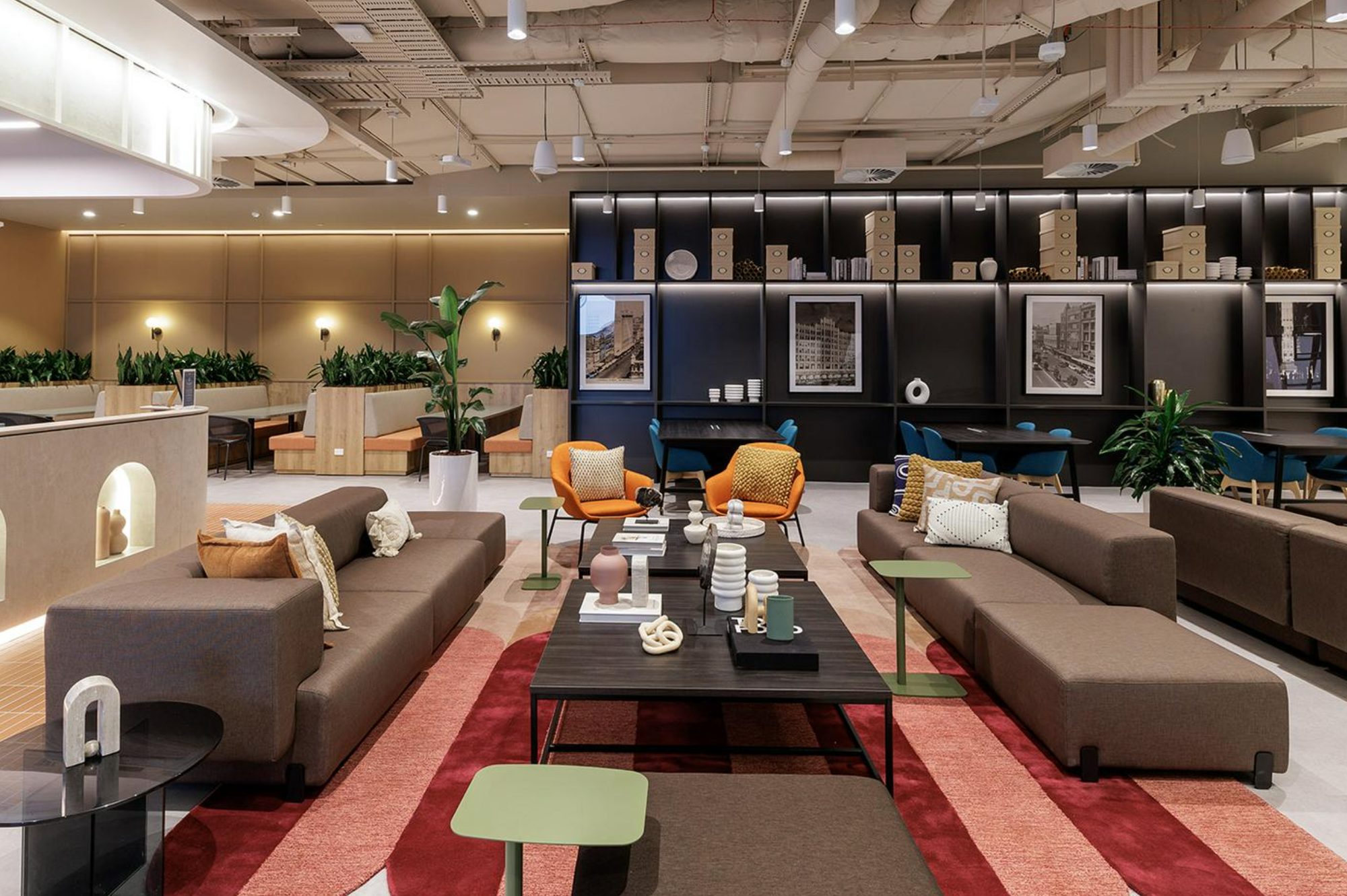
A serviced office is a private, fully furnished office you rent on a flexible agreement, with WiFi, cleaning, kitchen facilities and shared amenities all covered by one monthly fee. You move in, open your laptop and start working.
That simplicity is what surprises our clients most. Here's how serviced offices work, what's included, what they cost and how to tell whether one is right for your business.
What is a serviced office?
A serviced office is a lockable private office inside a professionally managed building, often called a business centre or flexible workspace. The operator looks after the building, the fit out and the day to day running, so your team only has to turn up.
There's no fit out to design, no furniture to buy, no internet to connect and no cleaners to organise. Everything is ready on day one.
What's included?
Inclusions vary from building to building, but most serviced offices include:
- A private office, fully furnished with desks, chairs and storage
- Fast, secure WiFi
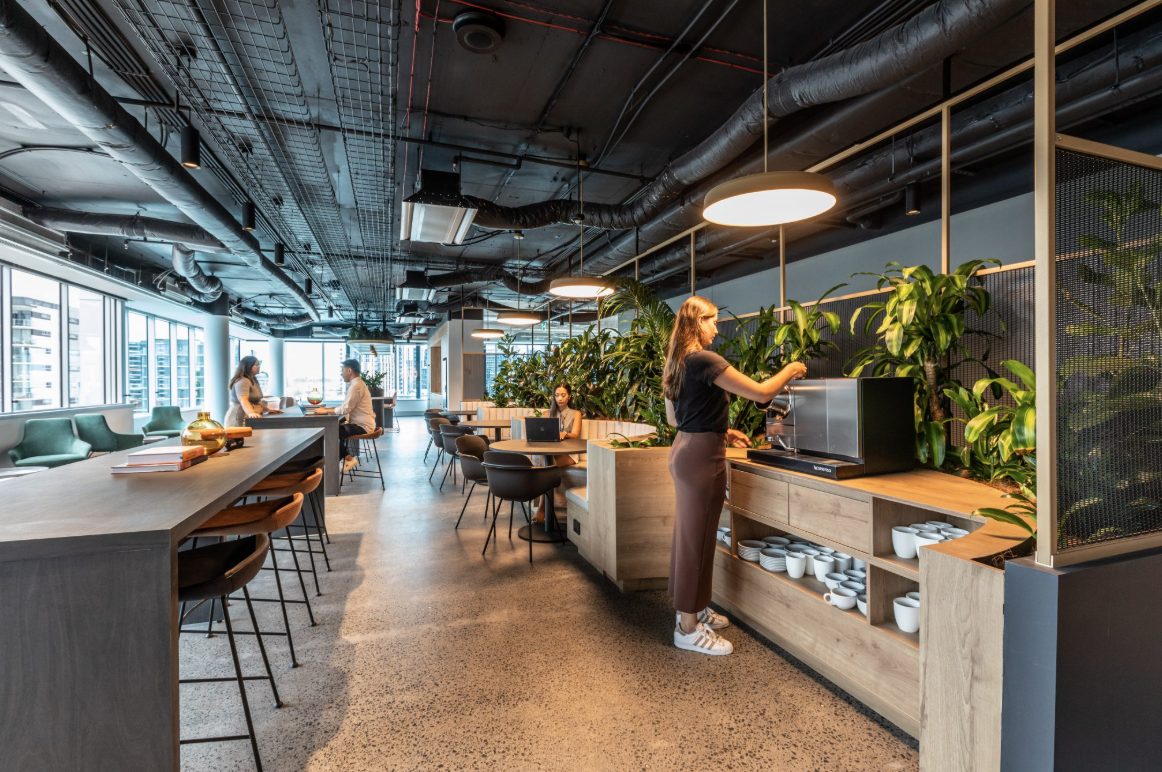
- Kitchen and breakout areas, usually with tea and coffee
- Reception, mail handling and a professional welcome for your visitors
- Cleaning, power and building running costs
- Access to meeting rooms, often with a monthly allowance
- Shared lounges and phone booths, and in many buildings, end of trip facilities
- A community of like minded businesses, with networking events in many centres
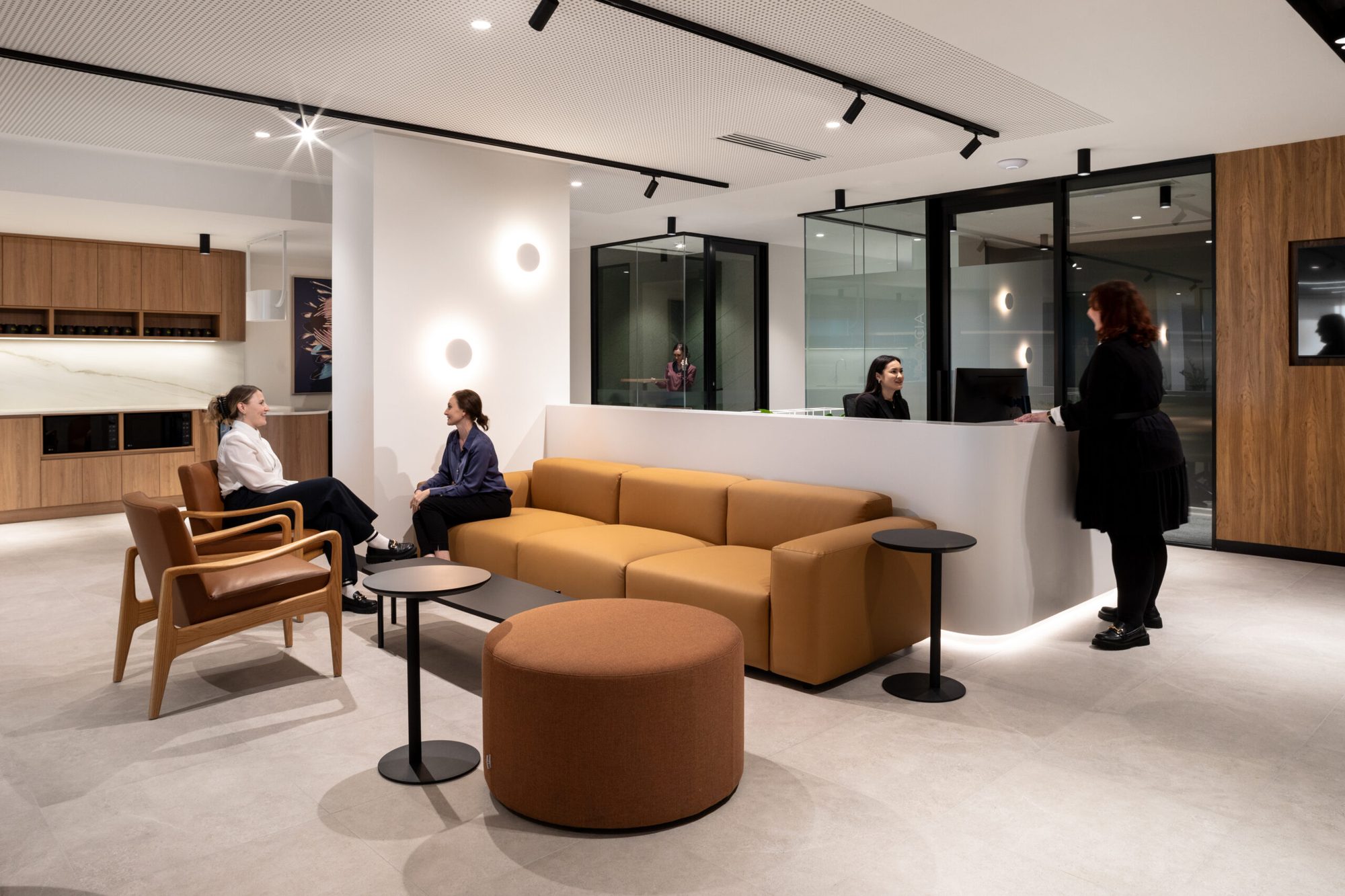
All of this sits within one monthly fee, which makes budgeting simple. Some extras, such as additional meeting room hours or printing, may be charged separately, so it's worth confirming exactly what your fee covers before you commit.
How easy is it to get started?
Very easy, and this is usually the part clients don't expect.
Moving into a traditional leased office can take months once you add up the search, negotiation, fit out and set up. With a serviced office, once you've chosen a space and signed the agreement, you can move in as early as the next day. Your team arrives, logs on and gets to work.
One timing tip: availability moves quickly, and most serviced offices can only be secured around three months ahead. The ideal time to start looking is roughly three months before you need to move.
How much does a serviced office cost?
Serviced offices are usually priced per desk per month. Across Australia's major cities, most private offices currently sit between about $650 and $1,100 per desk per month, all inclusive and excluding GST.
Where your office lands in that range depends on:
- The centre's address
- The building's quality and amenities
- The size of your office and team
- Whether it's an external (window) or internal office
- The length of your agreement
To see what's available in your area, browse serviced offices near you or explore our Sydney CBD and Melbourne CBD location pages.
Serviced office or traditional lease?
Both have their place. The difference is in how much you commit upfront and how quickly you can adapt.
| Serviced office | Traditional lease | |
|---|---|---|
| Upfront cost | Usually a security deposit | Fit out, furniture, IT and bond |
| Term | Flexible, typically 12 months | Typically several years |
| Move in | As early as the next day | Often several months |
| Monthly cost | One all inclusive fee | Rent plus outgoings, utilities, cleaning and internet |
| Accounting | Operating expense (OpEx) | Fit out is often capital expenditure (CapEx) |
That last row matters more than many businesses realise. Because a serviced office is an operating expense, it keeps capital free for growing the business. We'll cover this in more detail in an upcoming post.
Who uses serviced offices?
Almost every kind of business. Our clients range from sole traders to multinationals, including:
- Startups and small businesses wanting a professional base without a long commitment
- Growing teams who want the flexibility to add or reduce desks
- Corporates setting up a satellite office, a project team or a presence in a new city
- Professional services such as law, accounting and allied health, who need privacy and a polished place to meet clients
- Businesses needing a short term home while a permanent office is fitted out
Two recent examples show how differently businesses use them.
A psychologist came to us unsure whether a "coworking space" could work for her patients. Because we knew the market, we could present her with private serviced offices that met her criteria, rather than the open plan spaces she'd pictured.
A large digital marketing firm moved from a traditional lease into a serviced office in Fitzroy. Their young team had been choosing to work from home, so the brief was a workplace people actually wanted to come to. The new office is close to public transport, with an onsite gym, a rooftop terrace and a lively neighbourhood on the doorstep. Attendance and overall satisfaction with coming to work increased dramatically.
Serviced offices and coworking aren't the same thing
The two terms are often used interchangeably, but they're different. A serviced office is a private, lockable office used only by your team. Coworking means renting a desk in a shared, open plan space. Many businesses use a mix of both.
How to find the right serviced office
Every building is different, and the right one depends on how your team actually works. Location for your team and clients, how much space you'll need in 12 months, how often you meet clients, your budget and the culture you want all play a part.
Comparing dozens of buildings yourself takes time. That's where we come in. Nxt Space works only for tenants. We get to know how your business works, shortlist the spaces that genuinely fit, arrange inspections and negotiate terms on your behalf, at no cost to you.
Frequently asked questions
What's the difference between a serviced office and a traditional office? A serviced office comes furnished, connected and managed for one monthly fee on a flexible term. A traditional office is leased empty, usually for several years, and you arrange the fit out and running costs yourself.
Are serviced offices only for small businesses? No. Serviced offices suit everyone from sole traders to large corporates, including teams of 50 or more.
Is internet included? In most serviced offices, yes. Fast, secure WiFi is a standard inclusion.
How far ahead should I start looking? Around three months before you need to move, since most serviced offices can't be secured much further ahead than that.
Do I need to pay anything to use Nxt Space? No. Our advice is at no cost to you.
Thinking about a serviced office?
Book a free consultation and we'll show you what's available that suits how your team works.